
TUFH2027
Federal University of Pernambuco (UFPE)
Federal University of Pernambuco (UFPE)
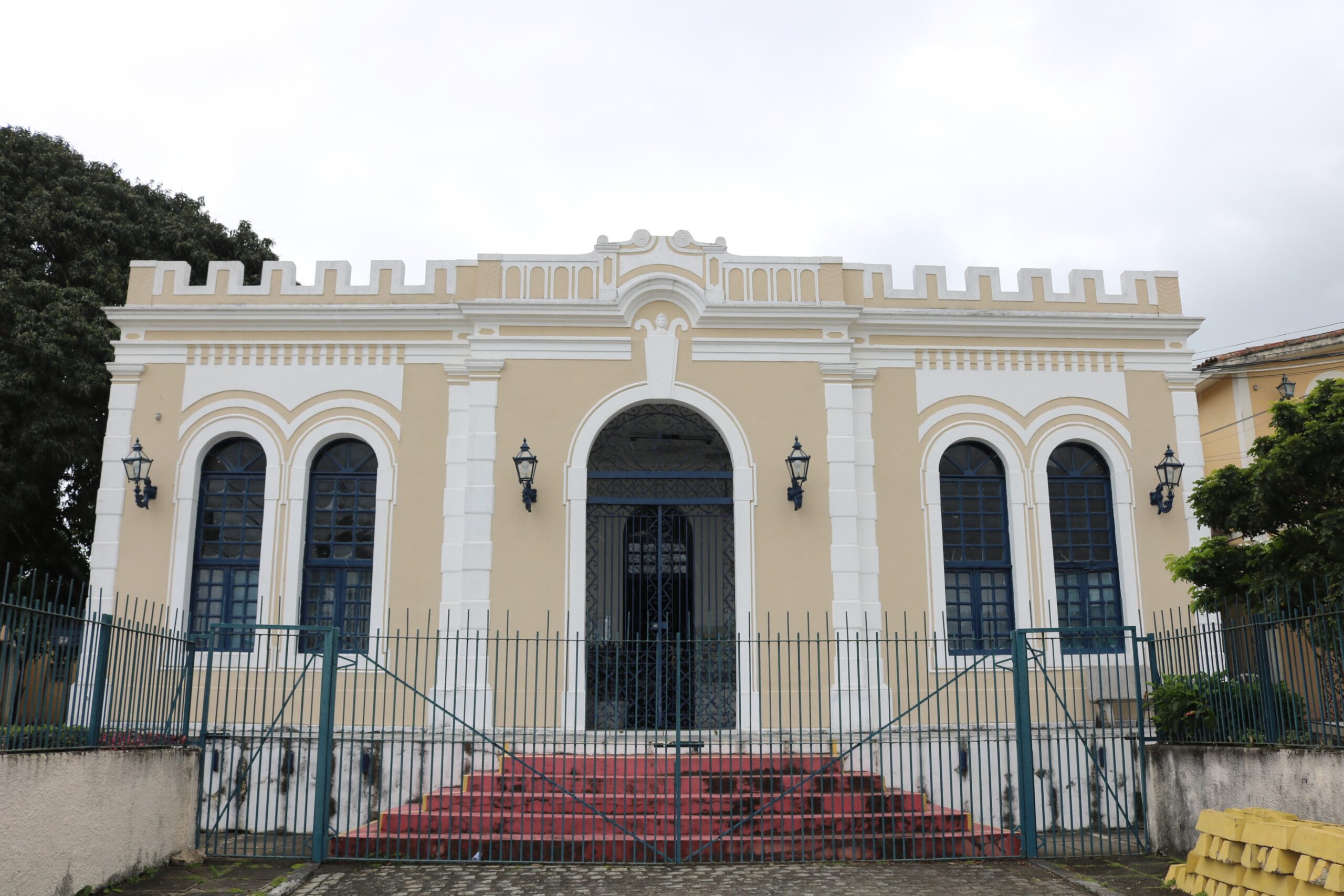
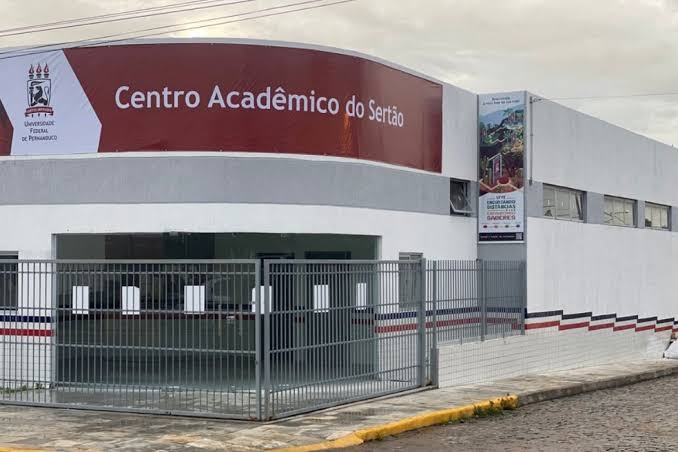

The Federal University of Pernambuco — Universidade Federal de Pernambuco, UFPE — is a Brazilian federal public university located in the state of Pernambuco, Northeast Brazil.
- UFPE has four campuses: Recife, Caruaru, Vitória de Santo Antão and Sertânia. Its academic structure includes 12 academic centers distributed across the state.
- The university offers a broad range of undergraduate, graduate, residency, research, extension, and innovation activities, with a strong public commitment to regional and national development.
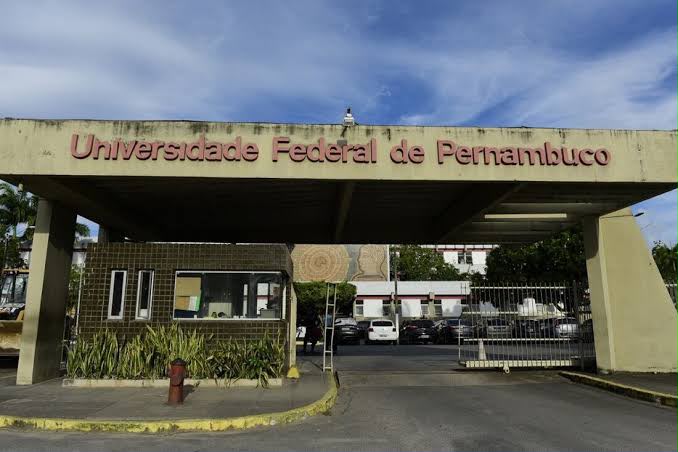
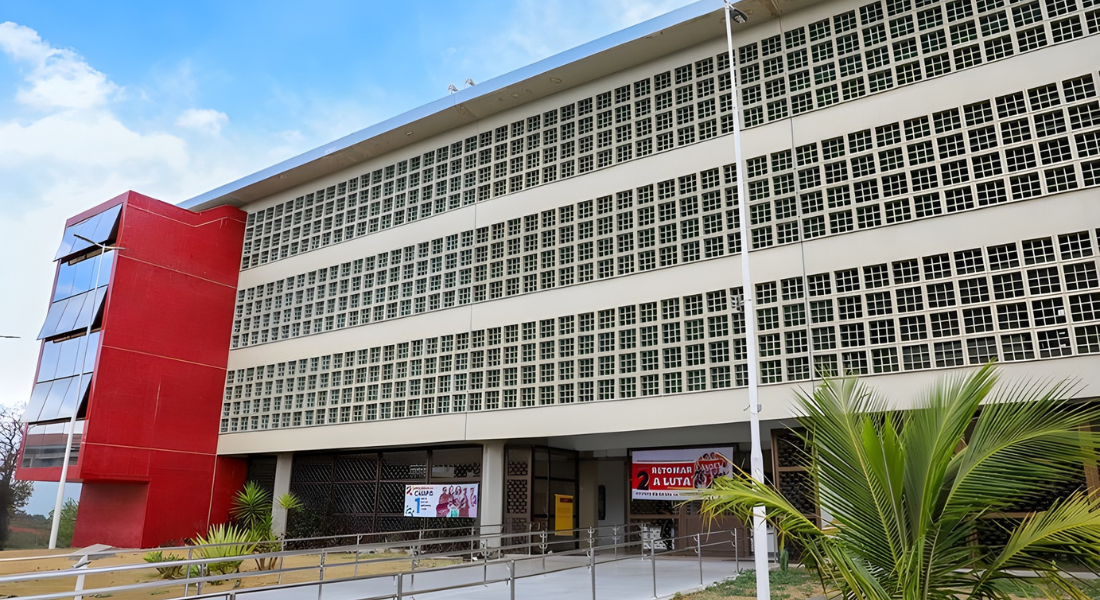
Institutional Mission and Vision
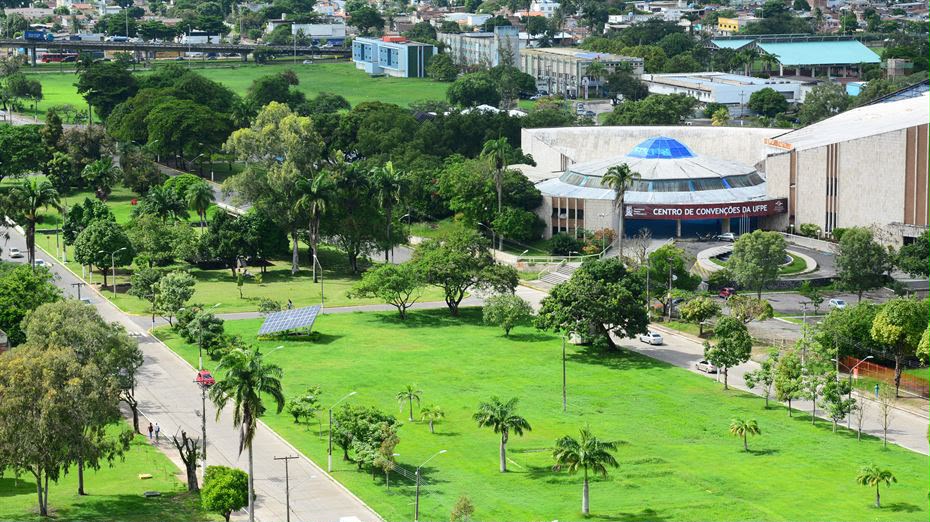
- Mission: To promote the education of people and the construction of scientific and technical knowledge and competencies of international reference, guided by strong ethical, socio-environmental, and cultural principles.
- Vision: To be a world-class university committed to the transformation and development of humanity.
These institutional principles are closely aligned with TUFH’s agenda, especially regarding social accountability, equity, public engagement, community-oriented education, and health professional training responsive to population needs.

Academic Profile and Main Courses
UFPE offers undergraduate programs across the humanities, health sciences, biological sciences, exact sciences, engineering, social sciences, arts, education, and technology.
The university has more than 100 regular in-person undergraduate courses distributed across its four campuses. In the health field, UFPE includes programs and academic units related to:
-
- Medicine
- Nursing
- Dentistry
- Nutrition
- Pharmacy
- Collective Health
- Physiotherapy
- Speech-Language-Hearing Sciences
- Occupational Therapy
- Physical Education
- Public Health and related interdisciplinary areas
UFPE also offers health residency programs distributed across its campuses, reinforcing its role in the education of health professionals for the Brazilian Unified Health System — SUS.
Health Sciences and Training Facilities

UFPE plays a key role in health education, research, extension, and service provision in Pernambuco.
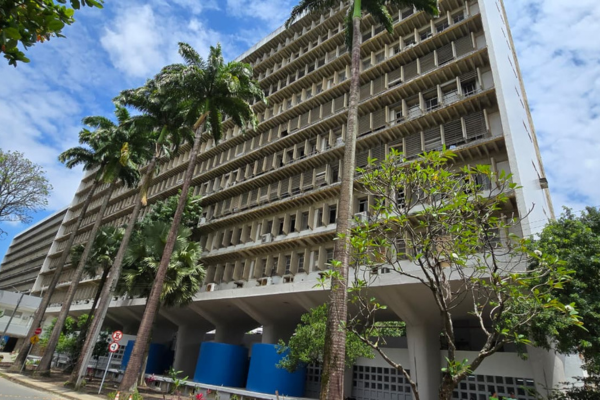
- The Health Sciences Center — Centro de Ciências da Saúde, CCS — brings together academic departments and services in areas such as Nursing, Physiotherapy, Speech-Language-Hearing Sciences, Nutrition, Occupational Therapy, Pharmaceutical Sciences, Physical Education, and Dentistry.
- The Medical Sciences Center — Centro de Ciências Médicas, CCM — is directly involved in medical education, health research, and clinical training.
- The Hospital das Clínicas da UFPE, linked to the Brazilian Hospital Services Company — Ebserh — serves as a major teaching, research, and healthcare facility connected to the public health system.
School Clinics and Community-Based Health Services
UFPE maintains several spaces that integrate teaching, research, extension, healthcare assistance, and community service.
- The Physiotherapy School Clinic — Clínica Escola de Fisioterapia provides free physiotherapy care to the academic community and the general population, functioning as a teaching, research, and extension field.
- The Applied Psychology Service — Serviço de Psicologia Aplicada, SPA offers public psychological support and care for people linked to UFPE and the wider community.
- The Telehealth Center — Núcleo de Telessaúde, Nutes/UFPE is described by UFPE as a school clinic of the Medical Sciences Center and provides teleconsultations, supporting accessible and digitally mediated care.
- The Integrated Health Service — Serviço Integrado de Saúde, SIS is a key space for teaching-service-community integration, combining teaching, extension, research, healthcare assistance, and community practices in alignment with SUS principles.

Social Raccountability and community engagement
- UFPE’s public mission is expressed through its commitment to education, research, extension, innovation, inclusion, sustainability, diversity, ethics, and social transformation.
- University extension is a central strategy for linking academic knowledge with the needs of communities, public services, and civil society.
- The SIS explicitly reflects UFPE’s commitment to teaching-service-community integration, equity, universality, social participation, and humanized professional training.
- UFPE’s health-related initiatives contribute to the strengthening of SUS through professional training, community-based practices, health promotion, digital health, interprofessional education, and services aimed at the population.
- These elements make UFPE a strategic host institution for TUFH 2027, especially in relation to social accountability, health equity, interculturality, community engagement, and transformative health professions education.
UFPE Campuses beyond Recife: Regional development and
Social Raccountability
-
- In addition to its Recife campus, the Federal University of Pernambuco (UFPE) has two important academic centers in the state’s interior: the Agreste Academic Center (CAA), located in Caruaru, and the Vitória Academic Center (CAV), located in Vitória de Santo Antão.
- These centers reflect UFPE’s commitment to the democratization and decentralization of public higher education in Pernambuco.
- UFPE’s commitment to social responsibility is also expressed through its regional academic centers: the Agreste Academic Center (CAA) in Caruaru and the Vitória Academic Center (CAV) in Vitória de Santo Antão.
- The CAA was the first UFPE campus established in the interior of Pernambuco and plays a strategic role in regional development through degree programs in fields such as administration, economics, communication, design, engineering, education, intercultural education, science and technology, and medicine.
- The presence of programs such as Intercultural Indigenous Education and Quilombola School Education highlights UFPE’s commitment to diversity, inclusion, cultural recognition, and historically marginalized communities.
- The CAV has a strong focus on health, the biological sciences, and community-oriented education and training, offering undergraduate programs in Nursing, Nutrition, Public Health, Physical Education, and Biological Sciences.
- Together, the CAA and the CAV expand access to public higher education, strengthen regional health and education systems, and connect UFPE’s teaching, research, outreach, and innovation activities with the social needs of Pernambuco’s diverse territories.